Critical Analysis of Depiction of Women in Mass Media
Mass media is one of the most powerful mirrors of society. It includes television, films, newspapers, magazines, advertisements, social media, radio and online platforms. What people see repeatedly in the media slowly shapes their thinking. It influences how society looks at beauty, success, family, career, relationships and gender roles.
The depiction of women in mass media has always been a serious subject of discussion. On one side, media has given women visibility, voice and public identity. It has shown women as leaders, professionals, athletes, artists, entrepreneurs and change-makers. On the other side, media has also often reduced women to beauty, glamour, household roles or emotional dependence. This mixed portrayal makes the issue important for critical analysis.
The central question is simple: does mass media truly represent women as complete human beings, or does it still present them through limited and stereotyped images?
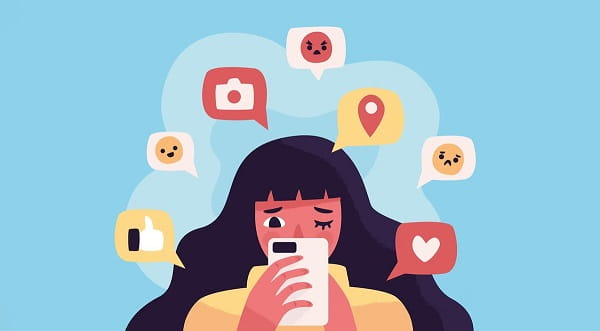
Meaning of Depiction of Women in Mass Media
Depiction means representation or presentation. So, depiction of women in mass media means how women are shown in different forms of media. It includes their roles, language, appearance, behaviour, importance in the story, and the message created through their image.
Women may be shown as mothers, wives, daughters, workers, leaders, victims, fighters, models, consumers or objects of attraction. These images are not innocent. They carry social meanings. When a certain type of image is repeated again and again, it starts affecting public attitude towards women.
Positive Depiction of Women in Mass Media
1. Women as Independent Individuals
In recent years, media has started showing more women as independent and self-confident individuals. Many films, serials, advertisements and digital shows now present women as educated, working and capable of making their own decisions.
Women are shown as doctors, police officers, pilots, soldiers, lawyers, business leaders, journalists and sportspersons. This is a positive change because it breaks the old belief that women belong only inside the home.
Such representation inspires young girls. When a girl sees a woman leading a company, winning a medal or fighting injustice, she begins to imagine a bigger future for herself.
2. Women’s Issues Are Getting Attention
Mass media has also helped in bringing women’s issues into public discussion. Topics like female education, domestic violence, dowry, workplace harassment, gender pay gap, menstrual health, women’s safety and women’s rights are now discussed more openly.
Earlier, many of these issues were hidden inside families or communities. Media has given them visibility. News channels, documentaries, films and social media campaigns have helped people understand that women’s problems are not private matters only; they are social issues.
This is one of the strongest positive roles of media.
3. Rise of Women-Centric Stories
Earlier, many films and television shows were male-dominated. Women were often used only as supporting characters. But now women-centric stories are increasing. Many stories are based on the journey, struggle, ambition and identity of women.
Such stories allow women to appear as central characters, not just as someone’s wife, mother or lover. This gives depth to female representation. It also helps society see women as people with their own dreams, conflicts and personalities.
Negative Depiction of Women in Mass Media
1. Objectification of Women
One of the biggest criticisms of mass media is the objectification of women. In many films, advertisements, music videos and online content, women are shown mainly for physical beauty and attraction. Their body becomes more important than their mind, talent or personality.
This kind of portrayal reduces women to objects of visual pleasure. It sends a harmful message that a woman’s value depends mainly on her looks. It also creates unrealistic beauty standards.
Objectification is not only disrespectful; it also affects how society treats women in real life. When women are repeatedly shown as objects, people may start ignoring their dignity, intelligence and individuality.
2. Stereotypical Gender Roles
Mass media still often presents women in traditional roles. Women are shown as emotional, sacrificing, soft, dependent and family-oriented, while men are shown as strong, practical, earning and decision-making figures.
In advertisements, women are often shown cooking, cleaning, washing clothes, caring for children or worrying about beauty. Men, on the other hand, are often shown using cars, gadgets, finance products or making major decisions.
This creates a narrow picture of gender roles. It suggests that household work is mainly women’s responsibility and outside work is mainly men’s responsibility. Such representation strengthens old social stereotypes.
3. Unrealistic Beauty Standards
Media has created a very narrow idea of beauty. Fair skin, slim body, perfect hair, stylish clothes and flawless appearance are often presented as the ideal image of a woman. Advertisements and entertainment industries often promote this idea strongly.
This affects women and girls deeply. Many begin to compare themselves with artificial images. It can create low confidence, body dissatisfaction and pressure to look a certain way.
The problem is not beauty itself. The problem is when beauty becomes the main measure of a woman’s worth. A woman can be beautiful, but she is more than beauty.
4. Women as Victims
Media often highlights crimes against women, which is necessary for awareness. But sometimes women are shown mainly as victims. Their suffering is shown again and again, while their strength, recovery and resistance may receive less attention.
This creates another problem. Society may begin to see women only as weak and helpless. A balanced representation should show the injustice faced by women, but it should also show their courage, voice and agency.
5. Underrepresentation in Decision-Making Roles
Women appear in media, but they are still not equally represented behind the media. Many directors, producers, editors, media owners and decision-makers are men. Because of this, women’s stories are often told from a male point of view.
This is important because representation is not only about who appears on screen. It is also about who controls the story. If more women work as writers, directors, editors, journalists and media leaders, female representation can become more realistic and balanced.
Depiction of Women in Advertisements
Advertisements play a major role in shaping gender images. For many years, advertisements showed women mainly as homemakers. They were connected with kitchen products, washing powders, beauty creams and family care.
Although this has started changing, many advertisements still use women’s bodies to sell products that have no real connection with women. This is a clear example of objectification.
At the same time, some modern advertisements show women as confident, financially independent, sporty and ambitious. This is a positive sign. But the change is still uneven. Many brands use women empowerment only as a marketing style, without really challenging gender inequality.
Depiction of Women in Films and Television
Films and television have a deep emotional impact on society. They create heroes, role models and social expectations. In many older films, women were shown as ideal mothers, obedient wives or romantic interests. Their dreams were often secondary to male characters.
Television serials have also often shown women through family conflict, sacrifice and domestic drama. Many female characters are either extremely good and self-sacrificing or extremely negative and jealous. Real women are more complex than this.
However, the rise of digital platforms has created space for stronger female characters. Women are now shown with ambition, anger, flaws, humour, courage and independence. This is a healthy change, but it still needs more balance and responsibility.
Depiction of Women in News Media
News media has an important duty because it shapes public opinion. Sometimes, news media gives strong coverage to women’s achievements and social struggles. It has helped raise awareness about crimes, legal rights and social injustice.
But news media also has weaknesses. In crime reporting, women’s privacy and dignity are sometimes not handled carefully. Some reports focus more on sensational details than on justice and reform. Women politicians and celebrities are also often judged for their clothes, appearance or personal life more than their work.
This shows that even serious media needs gender sensitivity.
Impact on Society
The depiction of women in mass media directly affects social thinking. If women are repeatedly shown as weak, decorative or dependent, society may accept these ideas as normal. If they are shown as intelligent, equal and capable, society begins to move towards gender equality.
Media can either strengthen patriarchy or challenge it. It can either limit women or empower them. That is why responsible representation is very important.
What Should Be Improved?
Mass media should show women as complete human beings. They should not be limited to beauty, sacrifice or victimhood. Women should be shown as thinkers, leaders, workers, creators, decision-makers and ordinary people with real emotions and real struggles.
Advertisements should avoid using women as decorative objects. Films and serials should create deeper female characters. News media should report women’s issues with dignity and sensitivity. More women should be included in media leadership and creative decision-making.
Most importantly, media should represent women from different backgrounds: rural women, working-class women, elderly women, disabled women, tribal women, minority women and women from different body types and professions. Real representation means diversity.
Conclusion
The depiction of women in mass media has improved, but it is still not fully balanced. Media has given women visibility and has highlighted many important issues. It has also created strong female role models in many areas.
But problems like objectification, stereotypes, unrealistic beauty standards and limited representation still continue. A critical analysis shows that media is both a tool of empowerment and a source of inequality.
Women should not be shown only as symbols of beauty, sacrifice or suffering. They should be shown as full human beings with intelligence, strength, dreams, choices and dignity. A society that wants equality must first learn to see women truthfully, and mass media has a major role in making that possible.