Indian Maritime University Is Government or Private?
Indian Maritime University is government, not private. More correctly, IMU is a central public university under the Ministry of Ports, Shipping and Waterways, Government of India. It was established through the Indian Maritime University Act, 2008, and is India’s national university for maritime education, training and research.
Indian Maritime University, commonly called IMU, is an important name for students who want to build a career in the Merchant Navy, marine engineering, nautical science, port management, logistics, shipping, naval architecture and maritime research. Because IMU has its own entrance exam, campuses and affiliated institutes, many students get confused about whether it is private or government. The answer is clear: IMU is a government/central public university, not a private university.
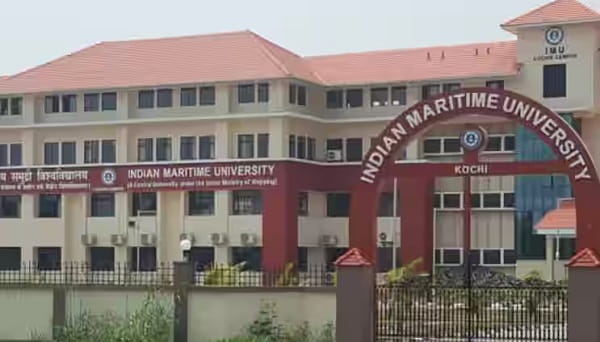
Indian Maritime University Quick Reference
| Point | Details |
| Full Name | Indian Maritime University |
| Short Name | IMU |
| Type | Government / Central Public University |
| Main Ministry | Ministry of Ports, Shipping and Waterways |
| Established | 2008 |
| Established By | Indian Maritime University Act, 2008 |
| Private University? | No |
| Main Admission Route | IMU CET for many courses |
| Main Fields | Marine Engineering, Nautical Science, Naval Architecture, Shipping, Logistics and Port Management |
| Campuses | Chennai, Kochi, Kolkata, Mumbai Port, Navi Mumbai and Visakhapatnam |
| Known For | Merchant Navy education, maritime training, shipping and port-sector studies |
Why IMU’s Maritime Institute System Creates Confusion
IMU’s status becomes confusing because maritime education in India has both university campuses and affiliated maritime institutes. Some maritime colleges may be private, but they may be affiliated with IMU for specific courses. In that case, the college may be private, but Indian Maritime University remains government.
This is similar to other public universities. A government university can have affiliated private colleges under it. The daily campus, hostel, teachers and fee structure may belong to the affiliated institute, but the academic affiliation and degree system may come through the university.
Another reason is that maritime courses are different from normal B.A., B.Com or B.Tech courses. Students often see terms like DG Shipping approval, pre-sea training, sponsorship, medical fitness, eyesight standards and onboard training. These maritime rules make IMU look different from a regular university. But different course rules do not make it private.
Why Indian Maritime University Is a Government University
Indian Maritime University is a government university because it was created by an Act of Parliament. It is a central public university under the Ministry of Ports, Shipping and Waterways, not an institution owned by a private trust, company or business group.
Before IMU was formed, several old maritime training and research institutions were working separately under the Ministry of Shipping. In 2008, these institutions were brought under the Indian Maritime University system. This gave India one national-level university structure for maritime education and training.
A private university is usually created and managed by a private sponsoring body. IMU is different. It has a public legal identity, national-level jurisdiction and government connection. That is why it should not be treated like a private maritime college.
How Is the Study System in Indian Maritime University?
The study system in IMU is practical, technical and career-focused. It is not like a normal classroom-only university. Students study theory, lab work, workshops, simulator training, practical seamanship, engineering systems, navigation, ship design, marine safety, port operations and logistics, depending on the course.
For students choosing Merchant Navy-related courses, discipline is very important. Maritime education often includes uniforms, strict attendance, physical fitness, practical training, safety drills and professional behaviour. This is because students are prepared for careers at sea, ports, shipping companies and maritime organisations.
IMU offers courses in areas such as Nautical Science, Marine Engineering, Naval Architecture, Ocean Engineering, Port and Shipping Management, International Transportation and Logistics, and related maritime fields. Its campuses include Chennai, Kochi, Kolkata, Mumbai Port, Navi Mumbai and Visakhapatnam.
How Are the Teachers and Training System at IMU?
Teachers at IMU usually come from maritime, engineering, shipping, naval architecture, port management, logistics and academic backgrounds. In maritime education, teachers are not only normal lecturers. Many may have industry experience, sea experience, technical expertise or research background.
The training system is more professional than casual college education. Students may study ship machinery, navigation systems, cargo handling, marine safety, shipping law, port operations, maritime economics, engine-room systems and practical seamanship. For technical courses, lab work and simulation-based learning are very important.
IMU has also been linked with maritime research and national shipbuilding goals. In 2025, the Indian Ship Technology Centre was launched at the IMU Visakhapatnam campus to support ship design, research, production and skilled manpower development.
How Admission Happens in IMU
Admission to many IMU courses is through IMU CET, or Indian Maritime University Common Entrance Test. Students have to apply online, appear for the entrance exam and then follow the counselling or admission process for the relevant course.
For 2026 admissions, IMU CET was used for admission to undergraduate technical programmes, and candidates were asked to apply through the official IMU website.
Students should also remember that maritime courses may have extra eligibility conditions. For example, some courses may require medical fitness, eyesight standards, age limits, passport readiness or DG Shipping-related rules. So students should always check the latest official admission brochure before applying.
Do Students Pay Fees in IMU?
Yes, students pay fees in IMU. But paying fees does not make a university private. Government universities also charge tuition fees, examination fees, hostel fees, registration fees, mess charges and other academic expenses.
The fee may differ depending on the course, campus and whether the student studies at an IMU campus or an affiliated institute. Affiliated private maritime institutes may have different fee structures from IMU’s own campuses. So students should check the exact campus and course before admission.
Advantages of Indian Maritime University
- Central public university with government status.
- Specialised university for maritime education and training.
- Useful for Merchant Navy, shipping, ports, logistics and marine engineering careers.
- IMU CET-based admission system for many courses.
- Campuses in major maritime locations across India.
- Strong link with India’s shipping and port sector.
- Better national identity than many standalone private maritime institutes.
Frequently Asked Questions
Q: Is IMU good for Merchant Navy?
A: Yes, IMU is an important option for students interested in Merchant Navy careers. Courses like B.Sc Nautical Science, Diploma in Nautical Science and B.Tech Marine Engineering are closely linked with maritime careers. Students should also check medical fitness, eyesight rules and DG Shipping requirements.
Q: Is IMU CET compulsory for all maritime colleges?
A: IMU CET is required for many IMU-linked admissions, but students should check the exact college and course. Some maritime institutes may have their own additional process, sponsorship requirement or DG Shipping-related conditions.
Q: Are IMU-affiliated private colleges equal to IMU campuses?
A: Not exactly. An affiliated private college may follow IMU academic rules for a course, but the campus facilities, hostel, teachers, placement support and fee structure can be different. Students should compare the actual institute before admission.
Q: Does IMU offer only sea-going courses?
A: No. IMU is known for Merchant Navy-related courses, but it also offers programmes related to port management, shipping, logistics, naval architecture, ocean engineering, management and research.
Q: What should students check before taking admission in a maritime course?
A: Students should check course approval, IMU affiliation, DG Shipping approval where required, medical standards, eyesight rules, placement record, training facilities, hostel discipline, fee structure and career path after the course.