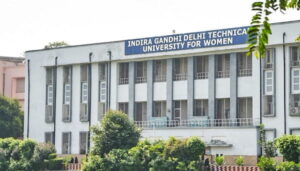
GGSIPU Is Government or Private?
GGSIPU is a government university, not a private institution. Guru Gobind Singh Indraprastha University is a state government university established by the Government of National Capital Territory of Delhi and recognised by the University Grants Commission.
The name GGSIPU is well known among students in Delhi and nearby states who are searching for engineering, management, law and other professional courses. Many students hear about GGSIPU through its affiliated colleges, its common entrance test and its wide range of programmes, but they still ask one basic question: is GGSIPU government or private? The clear answer is that GGSIPU is a public university set up by an Act of the Delhi government, even though many of the colleges affiliated to it are privately run.
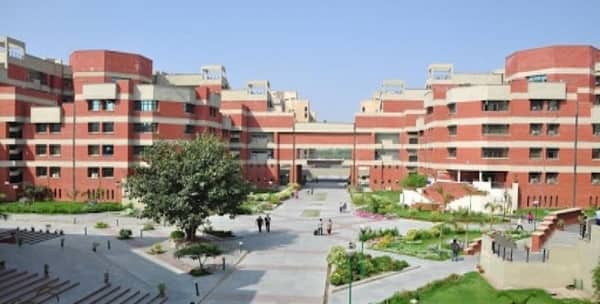
GGSIPU Quick Reference
| Point | Details |
| Full Form | Guru Gobind Singh Indraprastha University |
| Type | Government / State Public University |
| Established By | Government of NCT of Delhi, GGSIP University Act, 1998 |
| Recognition | UGC recognised, state university status |
| Affiliated Colleges | Both government and private colleges/institutes |
| Admission Mode | Through CUET / centralised counselling, merit based |
| Private Donation Seats | No, in university-managed quota |
| Main Courses | B.Tech, MBA, BBA, Law, MCA, Pharmacy and more |
| Known For | Professional courses, placements and Delhi-based campuses |
What Makes GGSIPU Different from Other Universities?
GGSIPU is different from an ordinary private college because it works as an affiliating state university rather than a single campus. Its purpose is to bring engineering, management, law, pharmacy, education and other professional institutes under one common academic and administrative system. The university itself conducts examinations, sets curriculum standards, issues degrees and oversees academic quality across all its affiliated colleges.
The biggest point of confusion is that GGSIPU has many affiliated colleges, and some of these colleges are privately owned or managed by trusts and societies. However, the university that grants the degree, sets the syllabus and conducts admissions is itself a government body. This is why a degree from a private GGSIPU-affiliated college still carries the name and recognition of a government university.
Why GGSIPU Is a Government University
GGSIPU is a government university because it was created through a legislative Act passed by the Delhi government. It is not owned by a private company, business group or private trust at the university level. The Guru Gobind Singh Indraprastha University Act, 1998 established the university as a public institution and gave it the authority to affiliate colleges, conduct examinations and award degrees.
The Chancellor of GGSIPU is the Lieutenant Governor of Delhi, and the university functions under government oversight with a Vice Chancellor appointed through an official process. This structure is similar to other state universities in India, where the state government holds ultimate administrative control even though day-to-day teaching may happen in affiliated colleges of different ownership types.
How Is the Study System in GGSIPU?
The study system in GGSIPU follows a semester pattern with lectures, practicals, projects and internal assessments, much like other professional universities in India. Students attend classes at their respective affiliated institutes, while the university sets a common syllabus, conducts centralised examinations for many courses and issues uniform degrees and mark sheets.
Because GGSIPU covers a wide range of disciplines, the academic experience can vary between colleges. Some affiliated institutes have strong infrastructure, modern laboratories and active placement cells, while others are still developing their facilities. Students are advised to research a specific affiliated college carefully, since the quality of teaching, labs and campus life depends heavily on that institute rather than on the university name alone.
How Are the Teachers at GGSIPU Affiliated Colleges?
Teachers at GGSIPU-affiliated colleges vary depending on the institute, since each college recruits its own faculty within guidelines set by the university and regulatory bodies such as AICTE and the Bar Council of India for relevant courses. Many faculty members hold postgraduate or doctoral qualifications and are involved in teaching, mentoring and guiding student projects.
Because the affiliated colleges differ in ownership and management, the experience of working with teachers can differ from one institute to another. Established colleges with a long history tend to have more experienced faculty and stronger industry connections, while newer institutes are still building their academic teams. Students benefit from checking faculty profiles and student reviews before choosing a specific GGSIPU-affiliated college.
Do Students Pay Fees in GGSIPU?
Yes, students pay fees in GGSIPU, but paying fees does not make the university private. Like most government and state universities, GGSIPU and its affiliated colleges charge tuition fees, examination fees, hostel fees and other charges. Fee structures differ between government-aided and self-financing affiliated colleges, but the university itself remains a public body created under state legislation.
Fees at GGSIPU-affiliated colleges are generally regulated to some extent, with private affiliated institutes often charging higher fees than government-run ones. Even so, ownership of the university and fee payment by students are separate matters, and the university’s government status does not change simply because individual colleges set their own fee levels within approved limits.
Are All GGSIPU Colleges Government?
No, not all colleges affiliated to GGSIPU are government owned. The university has a mix of government colleges, government-aided institutes and self-financing private institutes under its affiliation. Examples of well-known affiliated institutes include University School of Information, Communication and Technology, Maharaja Agrasen Institute of Technology, Bhagwan Parshuram Institute of Technology, Maharaja Surajmal Institute of Technology and several other engineering, management and law colleges across Delhi.
This mixed structure is common for affiliating universities in India. The university itself, GGSIPU, remains a government institution responsible for academic standards, while individual affiliated colleges may be either publicly funded or privately managed. Students should check the ownership type of a specific college separately from the government status of the university.
Advantages of GGSIPU
- Government university status that ensures recognised degrees backed by UGC and the Delhi government.
- Wide range of professional courses under one university, from engineering to law and management.
- Centralised admission process through CUET, reducing the need for separate entrance exams per college.
- Large network of affiliated colleges across Delhi, giving students multiple campus and location choices.
- Uniform examination and degree system maintained by the university across all affiliated institutes.
Frequently Asked Questions
Q: Is a degree from a private GGSIPU-affiliated college equal to one from a government college?
A: Yes, since the degree itself is issued by GGSIPU, not by the individual college, the certificate carries the same university recognition regardless of whether the affiliated institute is government-run or privately managed.
Q: How do I know if a specific GGSIPU college is government or private?
A: The ownership type is usually listed on the college’s own website and in official GGSIPU counselling brochures, so checking the institute code and category during CUET counselling is the most reliable way to confirm it.
Q: Are GGSIPU fees the same across all affiliated colleges?
A: No, fees vary depending on whether a college is government-aided or self-financing, with private affiliated institutes generally charging higher fees, even though the syllabus and examinations remain common across the university.
Q: Does GGSIPU offer scholarships for students?
A: Yes, GGSIPU and several of its affiliated colleges offer merit-based and category-based scholarships, and students should check both university-level schemes and any additional scholarships offered by their specific affiliated institute.
Q: Can students transfer between GGSIPU-affiliated colleges after admission?
A: College transfers are uncommon and generally not straightforward, since seats are allotted through centralised counselling based on rank and preference, so students should research colleges carefully before confirming their choice.