DPMI Is Government or Private?
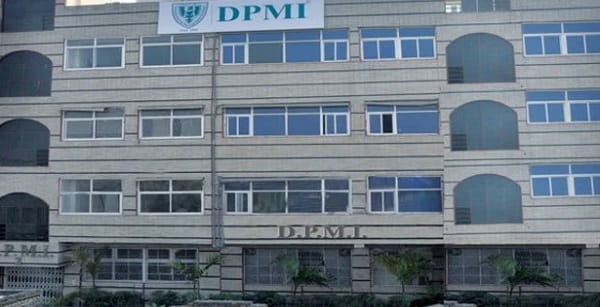
DPMI is private, not government. More correctly, DPMI Vocational Institute, popularly known as Delhi Paramedical & Management Institute, is a privately managed vocational/skill-based institute. Its official website says DPMI works under the aegis of PMTS of India, which is registered in Delhi under the Societies Registration Act, 1860.
DPMI is known for paramedical, allied health, hotel management and vocational training courses. Many students get confused because the institute mentions government-approved programmes, NIOS affiliation for allied health science programmes, NSDC-related skill links and other approvals or memberships. But recognition, affiliation or skill approval does not make an institute government-owned. DPMI is not a government college like AIIMS, Safdarjung, LHMC or a state government medical college.
DPMI Quick Reference
| Point | Details |
| Full Name | DPMI Vocational Institute / Delhi Paramedical & Management Institute |
| Popular Name | DPMI |
| Type | Private / Vocational Institute |
| Government Institute? | No |
| Managed By | PMTS of India |
| Registration | Society registered under SR Act, 1860 |
| Main Fields | Paramedical, Allied Health, Hotel Management, Hospitality and Skill Training |
| Main Courses | DMLT, DOTT, DRIT, CMLT, COTT, CRIT, GDA/CNA and vocational courses |
| University Status | Not a government university |
| Known For | Skill-based paramedical and hospitality training |
Why DPMI’s Approval and Affiliation System Creates Confusion
DPMI’s status becomes confusing because it uses words like government-approved programmes, skill training, NSDC, NIOS and allied health education. Students often think that if a course has government-related approval or affiliation, then the institute itself must be government. That is not correct.
An institute can be private and still run recognised or approved training programmes. DPMI’s official website says it is affiliated with NIOS for programmes in allied health sciences, and NIOS is an autonomous institution of open schooling under the Ministry of Education. This means some course pathways may be linked with recognised bodies, but DPMI itself remains privately managed.
Another reason is paramedical education. Students often connect paramedical courses with hospitals, medical colleges and government health departments. But many paramedical institutes in India are private. So students should always check the exact course, approval, certificate-awarding body and future eligibility before admission.
Why DPMI Is a Private Institute
DPMI is private because it is not owned or directly run by the central government or any state government. Its official “About” page says DPMI works under PMTS of India and that PMTS is registered in Delhi under the Societies Registration Act, 1860.
A government institute is usually created and controlled by a government department, public university, statutory body or government medical education authority. DPMI is different. It is a privately managed vocational institute that offers career-oriented training in paramedical, hospitality and allied fields.
This does not mean every course is useless. It simply means students must not confuse DPMI with a government college. Before admission, they should check whether the specific course is recognised for the job, hospital, university admission or government recruitment they are targeting.
How Is the Study System in DPMI?
The study system in DPMI is mainly skill-based and practical. The official website says DPMI focuses on paramedical health education, hotel management, catering technology and tourism-related sectors. It also mentions laboratories for haematology, clinical pathology, biochemistry, histopathology and microbiology for paramedical students.
Students in paramedical courses may study subjects related to medical laboratory technology, operation theatre technology, radiology imaging, nursing assistance and allied healthcare. Practical training, lab work and internship exposure are important because these fields require hands-on skills.
For hospitality and hotel management courses, students may learn front office, housekeeping, food production, restaurant service and practical hospitality operations. DPMI’s website also mentions facilities like sample bedroom, kitchen, restaurant and front office for hotel management students.
How Are the Teachers and Training Facilities at DPMI?
DPMI’s website says it has highly qualified and experienced faculty and focuses on theory, practical concepts, fieldwork and case-study-based education. It also highlights state-of-the-art infrastructure and practical facilities for different programmes.
However, as with any private vocational institute, students should verify the actual branch quality before admission. The main campus, training partner centre and franchise-style branch may not all have the same quality. Before paying fees, students should check faculty, labs, hospital tie-ups, internship letters, placement history and the exact certificate-awarding body.
In paramedical education, practical exposure matters more than brochure claims. A student should ask where internship happens, whether hospital training is real, and whether previous students got jobs in labs, hospitals or diagnostic centres.
Do Students Pay Fees in DPMI?
Yes, students pay fees at DPMI. Since it is a private vocational institute, fees are paid for training, course material, practical learning, examinations and other services.
The official website says one of its strengths is “most reasonable programme fee for job-oriented programmes.” Still, students should never depend only on general claims. They should ask for a written fee structure, refund policy, course duration, certificate details and all extra charges before admission.
Advantages of DPMI
- Offers job-oriented paramedical and hospitality courses.
- Provides skill-based training instead of only theory.
- Has practical lab and hospitality training facilities.
- Useful for students interested in allied health and hotel management careers.
- Offers courses at certificate, diploma and vocational levels.
- May be suitable for students who want faster career-oriented training after 10th or 12th.
- Has links with bodies like NIOS for allied health science programmes, as stated on its official website.
Frequently Asked Questions
Q: Is DPMI certificate valid for jobs?
A: It depends on the course, certificate-awarding body and job requirement. Some private hospitals, labs or diagnostic centres may accept skill-based certificates, but government jobs may require specific recognised qualifications. Students should check the exact recruitment rule before admission.
Q: Is DPMI good for DMLT?
A: DPMI can be considered for DMLT-style training if the student wants private paramedical skill education. But before joining, students should check course recognition, lab facilities, hospital internship, placement record and whether the certificate is accepted for their target job.
Q: Can DPMI students work in hospitals?
A: DPMI students may get opportunities in hospitals, diagnostic labs, clinics or healthcare support roles depending on their course, skill level and employer requirements. Final selection depends on practical ability, certificate validity and job criteria.
Q: Should students check approval before joining DPMI?
A: Yes. This is very important. Paramedical and allied health course rules can vary by state and employer. Students should ask for written proof of approval, affiliation, certificate body, internship details and placement support before paying fees.
Q: Is DPMI the same as a medical college?
A: No. DPMI is not a medical college. It is a vocational/paramedical training institute. It does not have the same status as a government medical college or a university medical faculty.