NIT Is Government or Private?
NIT is government, not private. The National Institutes of Technology are centrally funded public technical institutes under the Ministry of Education, Government of India, and they are recognised as Institutes of National Importance.
NITs hold a strong place in India’s engineering education system. For many students, after IITs, NITs are among the most preferred choices for B.Tech, M.Tech and research-based technical education. Because NITs have modern campuses, good placements, strong faculty and entrance-based admission, many students compare them with top private engineering colleges. But the clear answer is simple: NITs are government/public institutes, not private colleges.
NIT Quick Reference
| Point | Details |
| Full Form | National Institute of Technology |
| Type | Government / Public Technical Institute |
| Main Ministry | Ministry of Education, Government of India |
| Status | Institute of National Importance |
| Total NITs | 31 NITs in JoSAA admission system |
| Main B.Tech Admission | JEE Main through JoSAA/CSAB counselling |
| Private Quota | No |
| Donation Admission | No |
| Main Courses | B.Tech, M.Tech, M.Sc, MBA, MCA, PhD and research programmes |
| Known For | Engineering, technology, research, placements and national reputation |
Why NIT Looks Different from Ordinary Government Colleges
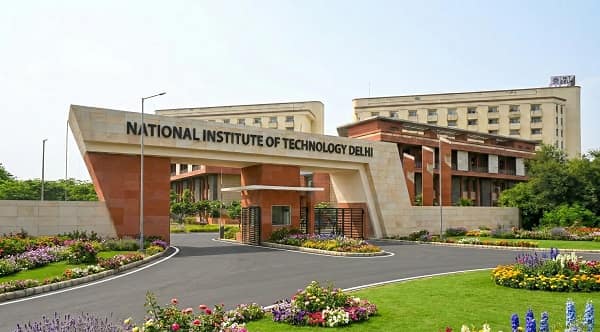
NITs look different from ordinary government colleges because they are national-level technical institutes. They are not managed like small local colleges. Their admission process, campus culture, academic pressure, placement system and research environment are much stronger than many regular state engineering colleges.
Another reason is their old reputation. Many NITs were earlier known as Regional Engineering Colleges, or RECs. Later, these institutions were upgraded and brought under the NIT system. This gave them a stronger national identity. Today, top NITs like NIT Trichy, NIT Surathkal, NIT Warangal, NIT Rourkela, NIT Calicut and NIT Allahabad are highly respected among engineering students.
NITs also look modern and professional because they offer strong technical education, hostel life, student clubs, festivals, coding culture, industry exposure and placement opportunities. This makes some people think they may be private, but they are not.
Why NIT Is a Government Institute
NITs are government institutes because they are centrally funded technical institutions under the Ministry of Education, Government of India. The National Institutes of Technology are governed by the National Institutes of Technology, Science Education and Research Act, 2007, which gave them the status of Institutes of National Importance.
This status makes NITs different from ordinary private engineering colleges. A private college is usually owned by a private trust, society, company or educational group. NITs are not privately owned. They are part of India’s national technical education system.
The Joint Seat Allocation Authority also lists NITs as part of the national admission system for 2026–27, along with IITs, IISc, IIEST, IIITs and other Government Funded Technical Institutes. JoSAA mentions 31 NITs in the participating institute list for the academic year 2026–27.
How Is the Study System in NIT?
The study system in NIT is serious, competitive and practical. Students attend lectures, tutorials, laboratory sessions, workshops, assignments, projects and seminars. Engineering education in NIT is not only about reading books and writing exams. Students are expected to understand concepts and apply them in real technical situations.
NITs give importance to both theory and practical learning. For example, engineering students work in labs, complete design projects, write codes, prepare models, take part in internships and join technical clubs. Students interested in coding, robotics, electronics, mechanical design, civil projects, entrepreneurship or research often find good opportunities inside NIT campuses.
The academic pressure can be high. Students have to manage classes, exams, projects, placements and extracurricular activities together. This system helps them become more disciplined and industry-ready.
How Are the Teachers in NIT?
Teachers in NITs are generally well-qualified and experienced. Many faculty members have strong academic backgrounds, research experience and expertise in engineering, science, technology and management fields.
The role of NIT teachers is not limited to classroom teaching. They guide students in lab work, final-year projects, research papers, internships, higher studies and technical competitions. In many departments, professors also work on government projects, industry collaborations, patents and research publications.
At the same time, NIT education is not spoon-feeding. Teachers guide students, but students also need strong self-study habits. A student who wants to do well in NIT must attend classes seriously, practise problem-solving, work on projects and stay active in technical learning.
How Admission Happens in NIT
For B.Tech admission, students usually need to appear for JEE Main and then participate in JoSAA or CSAB counselling. JoSAA is the common seat allocation platform set up by the Ministry of Education for admission to IITs, NITs, IIITs and other technical institutes.
This means NIT admission is merit-based. Students cannot buy a seat through donation. Seat allotment depends on JEE Main rank, category, home state quota, other state quota, branch preference and seat availability.
Do Students Pay Fees in NIT?
Yes, students pay fees in NIT. But paying fees does not make NIT private. Many government colleges charge tuition fees, hostel fees, mess fees, examination fees and other charges.
The difference is ownership and control. NITs are government-funded public institutes. Private colleges are managed by private bodies. NITs may charge fees, but their basic status remains government/public.
Advantages of NIT
- Government/public institute with national-level reputation.
- Admission through JEE Main, not donation.
- Good placement opportunities in many branches.
- Strong engineering and technical education system.
- Qualified teachers and research-based academic environment.
- Better fee value compared to many expensive private colleges.
- Strong campus life with clubs, fests, hostels and technical exposure.
Frequently Asked Questions
Q: Is NIT a private college?
A: No. NIT is not private. NITs are government/public technical institutes under the Ministry of Education.
Q: Is NIT admission through JEE Main?
A: Yes. B.Tech admission in NITs mainly happens through JEE Main rank and JoSAA/CSAB counselling.
Q: Are all NITs government?
A: Yes. National Institutes of Technology are government/public institutes. They are not privately owned colleges.
Q: Is NIT better than private engineering colleges?
A: In most cases, NITs are better than average private engineering colleges because of their national status, entrance-based admission, lower fee value, strong peer group and placement reputation.
Q: Is NIT the same as IIT?
A: No. NIT and IIT are different. IIT admission requires JEE Advanced, while NIT admission mainly happens through JEE Main. IITs usually have a stronger overall brand, but top NITs are also highly respected.