Top 10 Most Dangerous Jobs in the World
Some jobs are dangerous because workers handle heavy machines. Some are dangerous because people work at height, underground, in the sea, on highways, or in extreme weather. In 2026, the world is still facing a serious workplace safety problem. The International Labour Organization estimates that nearly 3 million workers die every year from work-related accidents and diseases, and about 395 million workers suffer non-fatal work injuries worldwide.
There is no single official global ranking of dangerous jobs because every country records workplace deaths differently. So, this list is based on fatal injury rates, working conditions, exposure to accidents, physical risk and global reputation.
1. Logging Workers
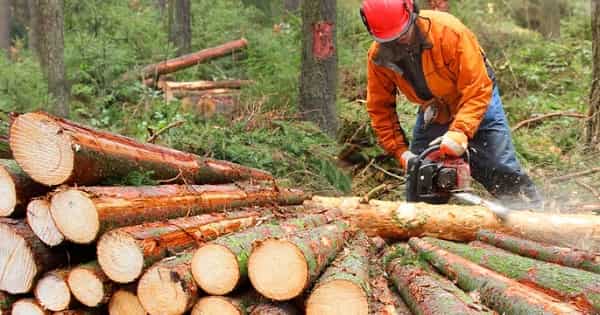
Logging is often counted among the deadliest civilian jobs in the world. Workers cut trees, operate chainsaws, handle heavy timber and work in forests where falling branches, unstable slopes and bad weather can become fatal within seconds.
In the latest U.S. occupational fatality data, logging workers had a fatal injury rate of 110.4 deaths per 100,000 full-time workers, far above the all-worker rate of 3.3. This shows why logging remains one of the most dangerous jobs even in countries with strict safety systems.
2. Deep-Sea Fishing Workers
Deep-sea fishing is dangerous because workers fight the sea, not just fish. Storms, slippery decks, heavy nets, drowning, freezing water and long working hours make this job extremely risky.
Fishing and hunting workers recorded a fatal injury rate of 88.8 deaths per 100,000 full-time workers in the latest BLS data. In poorer countries, the risk can be even higher because boats may lack modern safety equipment, weather-warning systems and emergency rescue support.
3. Roofers
Roofers work at dangerous heights every day. One wrong step, weak surface, loose ladder or sudden wind can cause a fatal fall. They also face heat, electric wires, sharp tools and heavy materials.
Roofers had a fatal injury rate of 48.7 per 100,000 workers in the latest available data, making them one of the deadliest construction-related occupations. The danger increases in informal construction markets where safety harnesses and fall-protection systems are not always used properly.
4. Structural Iron and Steel Workers
Structural iron and steel workers build bridges, towers, stadiums, factories and high-rise buildings. They often work many floors above the ground, balancing on steel beams while handling heavy materials and welding equipment.
Their fatal injury rate was 37.8 per 100,000 workers, which places them among the highest-risk jobs. The work demands strength, balance, focus and strict safety discipline. Even a small mistake can become life-threatening.
5. Refuse and Recyclable Material Collectors
Waste collectors may not look like they are doing a deadly job, but the risks are serious. They work near moving vehicles, sharp waste, broken glass, chemicals, medical waste, heavy bins and bad weather.
Refuse and recyclable material collectors recorded a fatal injury rate of 37.4 per 100,000 workers. In many developing countries, sanitation workers face even harsher conditions because they may work without proper gloves, masks, boots or mechanised systems.
6. Aircraft Pilots and Flight Engineers
Not all pilots face the same risk. Commercial airline pilots usually work under strict safety systems. But helicopter pilots, bush pilots, cargo pilots, rescue pilots and pilots flying in difficult terrain face much higher danger.
Aircraft pilots and flight engineers had a fatal injury rate of 36.7 per 100,000 workers in the latest data. Weather changes, mechanical failure, emergency landings and remote routes make aviation one of the most skilled but risky professions.
7. Underground Mining Workers
Mining is one of the oldest and most dangerous occupations in the world. Underground miners face cave-ins, explosions, toxic gases, dust diseases, flooding, poor ventilation and heavy machinery accidents.
Underground mining machine operators recorded a fatal injury rate of 35.6 per 100,000 workers. In many regions, illegal or poorly regulated mines make the danger even worse. Mining accidents often become large tragedies because several workers may be trapped at the same time.
8. Truck Drivers and Transport Workers
Long-haul truck drivers spend endless hours on highways. They face road accidents, fatigue, night driving, bad weather, vehicle breakdowns and pressure to meet delivery deadlines.
Transport and material-moving occupations recorded the highest number of fatalities among major occupational groups in the U.S., with 1,391 fatal work injuries in 2024. Driver/sales workers and truck drivers alone had a fatal injury rate of 25.7 per 100,000 workers. This makes trucking one of the most dangerous jobs by total deaths.
9. Farmers and Agricultural Workers
Agriculture looks peaceful from outside, but it is one of the most hazardous sectors globally. Farmers and agricultural workers face tractors, harvesters, pesticides, animal injuries, heatstroke, snake bites, drowning and long exposure to dust and chemicals.
The ILO says agriculture, construction, forestry and fishing are among the most hazardous sectors and account for a major share of fatal occupational injuries worldwide. It also notes that one in three fatal occupational injuries globally occurs among agricultural workers. In the U.S. data, farmers, ranchers and agricultural managers had a fatal injury rate of 19.4 per 100,000 workers.
10. Oil Rig and Offshore Workers
Oil rig and offshore workers operate in isolated, high-pressure environments. They handle drilling equipment, cranes, chemicals, flammable materials and heavy machinery. Offshore workers also face storms, explosions, helicopter travel risk and emergency evacuation challenges.
Industry safety reporting shows that oil and gas work remains complex and hazardous, with the International Association of Oil and Gas Producers reporting 32 fatalities among member companies in 2024. The danger is not only from one accident type; it comes from the combination of machinery, isolation, fatigue, fire risk and extreme working conditions.
Final View
The most dangerous jobs in the world are usually those where workers face nature, height, machines, roads, fire, water or underground conditions. Logging, fishing, roofing, mining, transport and agriculture remain especially risky because the work happens in uncontrolled environments.
Modern safety equipment has reduced many risks, but it has not removed them. The real lesson is clear: dangerous jobs need better training, strict safety rules, proper protective gear, fair working hours and stronger enforcement. A worker should not have to risk life simply to earn a living.